
Gemini
Candid Analog-inspired Editoria
Advertisement
Prompt
Create an ultra-realistic, candid analog-inspired editorial portrait using the uploaded reference image as the primary identity and appearance reference. IMPORTANT: Preserve the subject's recognizable facial identity, facial proportions, natural skin tone, distinctive facial characteristics, and overall appearance from the uploaded reference image. Do not redesign, beautify, or replace the person's face. The result should clearly feel like the same person photographed in a completely different real-life setting. SCENE & ENVIRONMENT: Place the subject inside a personal bedroom, creative workspace, or intimate private studio-like room. The environment should feel genuinely lived-in rather than professionally designed. Create a nostalgic wall collage behind and around the subject consisting of: - Polaroid-style photographs - Small printed photographs - Handwritten notes - Personal sketches and doodles - Travel or event ticket stubs - Small paper scraps - Magazine/photo fragments - Random memories and keepsakes - Pieces of masking tape holding photographs and papers to the wall The arrangement should be imperfect, spontaneous, and personal. Some photographs can be slightly crooked, partially overlapping, loosely attached, or positioned at different heights. Visible masking tape should have realistic imperfections. Add subtle environmental details such as a desk, books, notebooks, small personal objects, stationery, furniture, or other ordinary room elements. Keep everything believable and naturally arranged. The room should feel like someone's actual personal creative space rather than a photography studio. POSE & BODY LANGUAGE: Use a relaxed, natural standing pose. The subject should appear casually photographed rather than deliberately modeling. Keep the shoulders relaxed and the posture slightly imperfect. The body position should feel spontaneous and comfortable. The subject should have calm, understated body language and a natural facial expression. Maintain direct or slightly unforced eye contact with the camera, as if a friend unexpectedly took the photograph. Avoid exaggerated fashion-model posing. CAMERA & COMPOSITION: Medium portrait / medium-full portrait composition. Eye-level camera perspective. Simulate a real 35mm-equivalent camera or high-quality phone camera used for an everyday snapshot. Frame the subject naturally with some environmental context visible around them. Do not make the composition excessively symmetrical or perfectly centered. Allow slight framing imperfections, natural cropping, and subtle perspective irregularities. The background should remain sufficiently detailed and readable so that the wall collage contributes strongly to the photograph. DEPTH OF FIELD: Use moderately deep depth of field. The subject should remain sharply recognizable while the surrounding room and wall details remain reasonably readable. Do not use extreme portrait-mode blur. The photograph should feel like a real environmental portrait rather than a commercial studio photograph. LIGHTING: Use direct on-camera flash as the primary photographic characteristic. The flash should be relatively hard and immediate, producing realistic directional illumination on the subject. Create a natural, hard-edged shadow behind or slightly beside the subject on the wall. Include realistic flash falloff toward the edges and deeper areas of the room. The lighting should feel like an actual spontaneous photograph taken indoors at night or in a dim room with a camera flash. Avoid cinematic three-point lighting. Avoid soft professional studio lighting. Avoid dramatic artificial rim lighting. Avoid glowing skin or artificial light wrapping. The flash should slightly flatten the foreground while allowing the room behind to fall into darker exposure naturally. COLOR & TONAL CHARACTER: Create a muted, slightly desaturated analog-film color palette. Use natural skin tones with a subtle warm character. Introduce very subtle lavender/purple or muted cool tones only where naturally appropriate in the environment. Maintain moderate contrast. Keep highlights slightly restrained and shadows naturally deep. Avoid modern ultra-clean digital color grading. The final image should resemble a scanned photograph from a personal photo album or an early-2000s/late-1990s snapshot. IMAGE TEXTURE: Preserve realistic human skin texture. Show subtle pores, tiny natural imperfections, fine facial texture, and realistic tonal variation. Do not make the skin perfectly smooth. Add authentic fine film grain throughout the image. Include very subtle analog imperfections such as: - mild luminance grain - slight chromatic grain - tiny exposure inconsistencies - subtle lens imperfections - gentle flash falloff - slight vignetting - mild softness around certain edges - imperfect film-like tonal transitions Keep these imperfections subtle and believable. The image should look like a real photograph rather than an intentionally heavily filtered image. AUTHENTICITY: The most important goal is photographic realism. It should look like a genuine photograph taken by a friend inside the subject's personal room. Avoid anything that makes the image look AI-generated, overly polished, commercial, or digitally manipulated. The room, objects, wall collage, shadows, skin, hair, fabric, hands, facial features, and perspective should all follow real-world photographic behavior. Allow tiny imperfections in composition and exposure. OPTIONAL TIMESTAMP: Add a very subtle retro digital-camera timestamp in one corner of the image. The timestamp should be small, understated, slightly pixelated, and naturally integrated into the photograph. It should resemble an old compact digital camera timestamp rather than modern graphic typography. Do not make the timestamp a major visual element. FINAL VISUAL STYLE: Analog-inspired diary photography. Personal photo-album aesthetic. Late-1990s / early-2000s candid snapshot realism. Lo-fi editorial photography. Authentic bedroom portrait. Direct-flash photography. Nostalgic personal-documentary aesthetic. Natural imperfections. High photographic realism. The final result should feel accidental, intimate, personal, nostalgic, and completely believable—as if the subject's friend took the photograph without a professional photoshoot. Do not add any fashion-editorial styling, luxury studio treatment, cinematic atmosphere, or artificial glamour unless those characteristics already exist naturally in the uploaded reference image. REFERENCE IMAGE PRIORITY: Use the uploaded image as the highest-priority visual reference for the subject's identity and natural appearance. Preserve the person's recognizable face and key visual characteristics. Change only the environment, photography style, lighting, composition, and overall photographic context requested below. Do not intentionally alter the subject's identity.
#Aesthetic Pic#Boys#Gemini Prompt#Image Prompt#Wallpaper
More Like This
Gemini
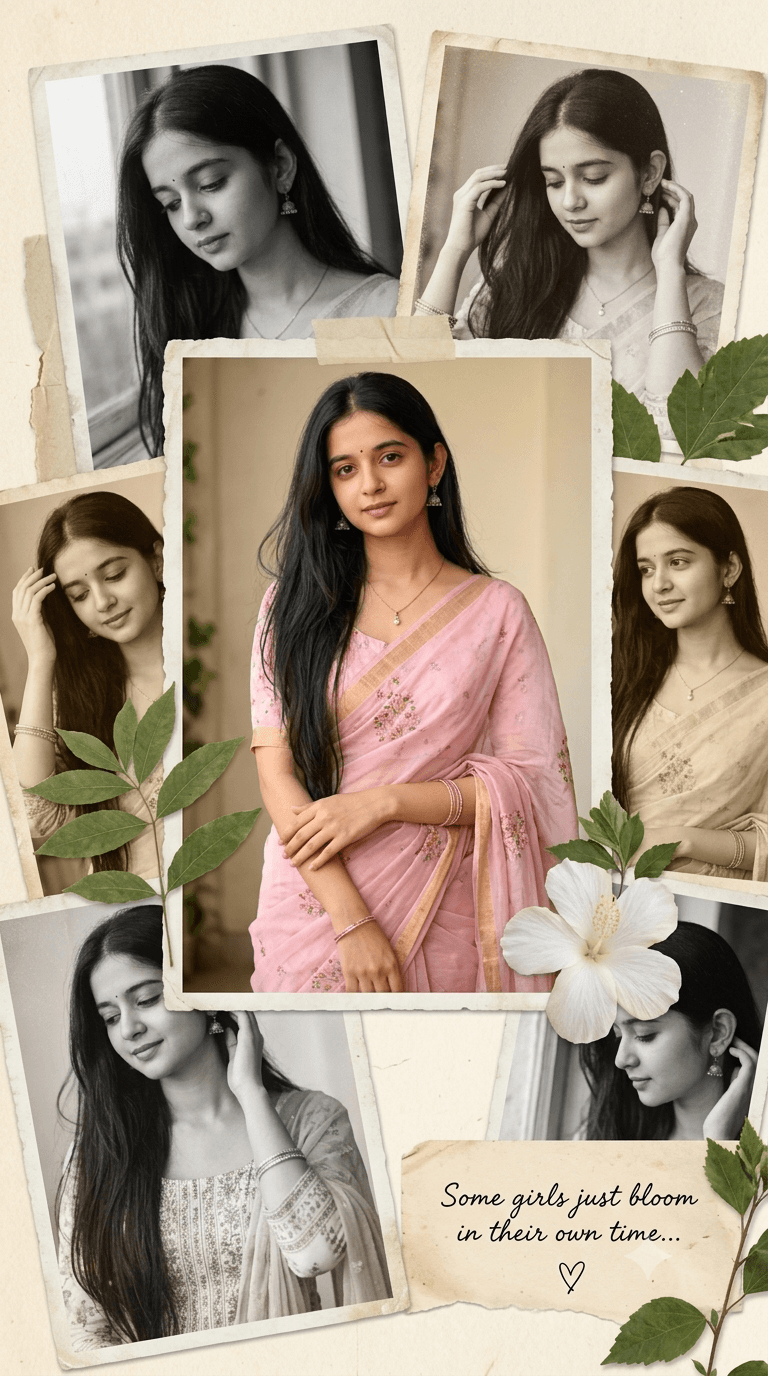
Timeless Vintage Collage
Photography

Gemini
Cinematic Black and White Coastal Solitude
Photography

Gemini
Realistic Girl In Saree Portrait
Photography
Gemini
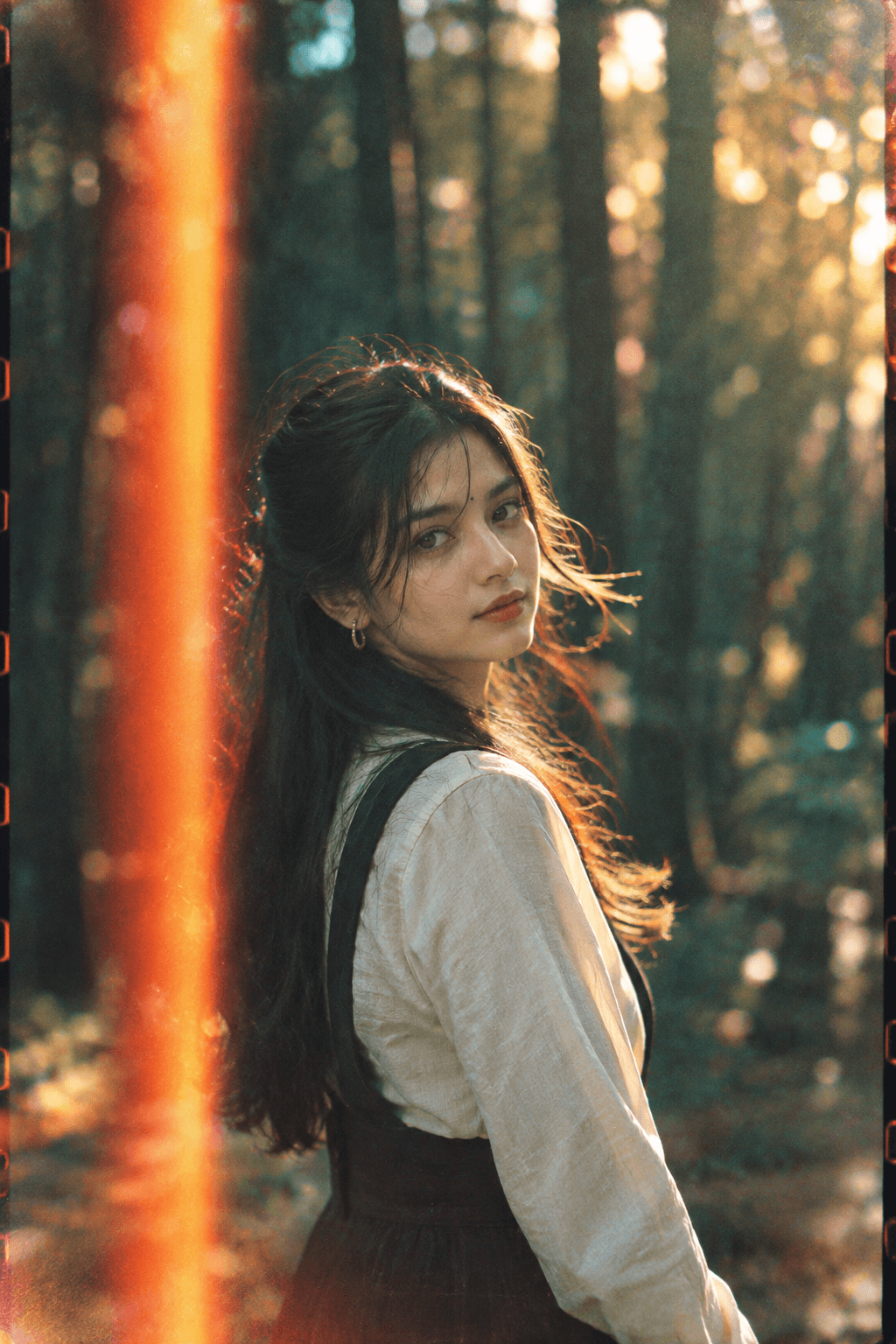
Sun Flare Portrait
Photography
Advertisement
Gemini
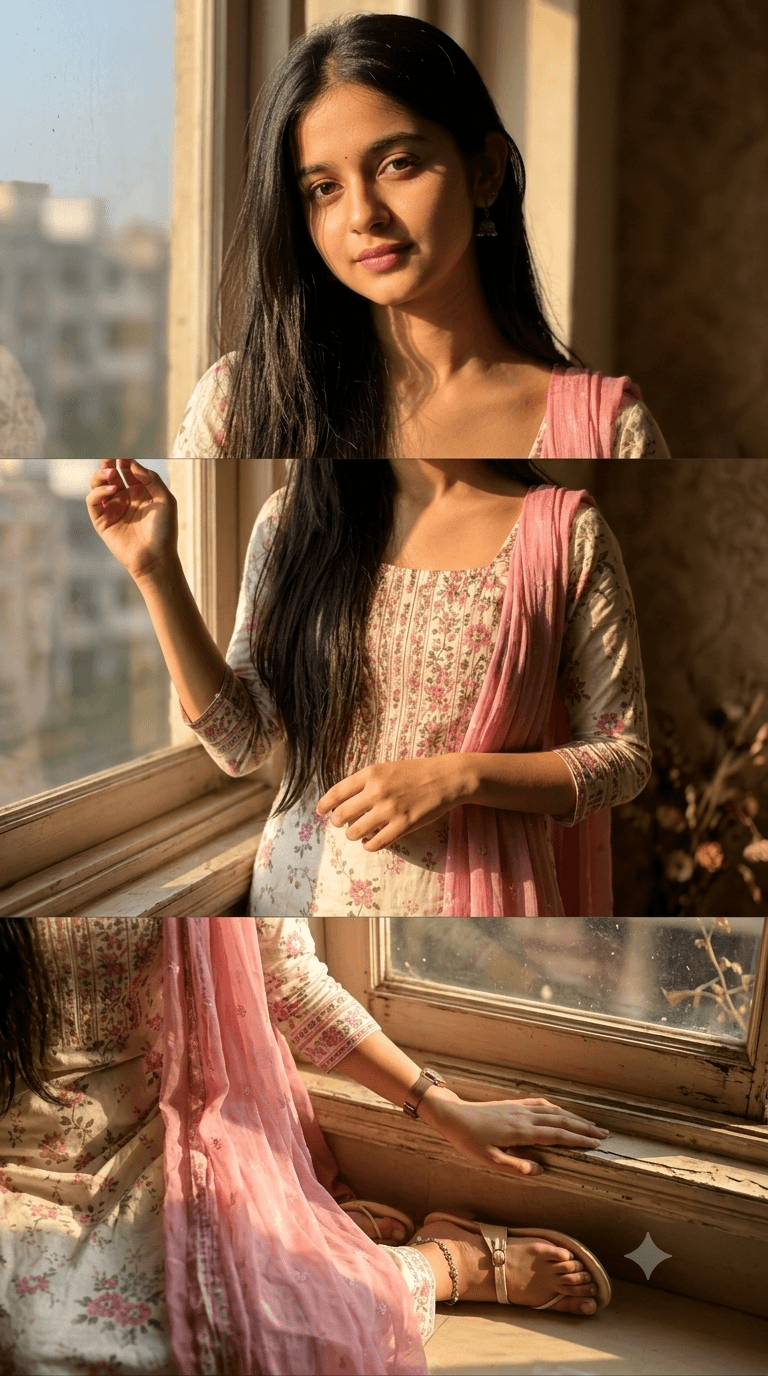
Cinematic Portrait Collage
Photography
Gemini
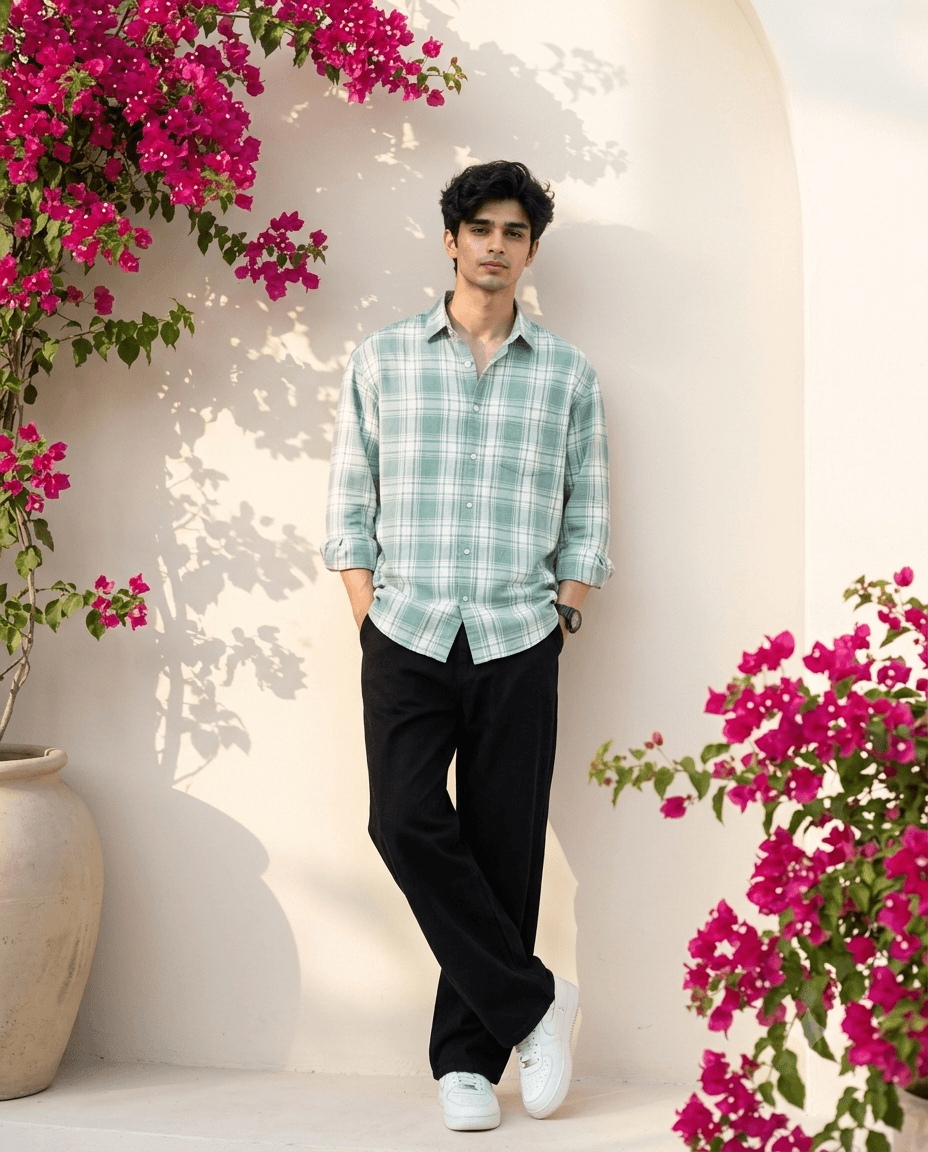
Summer Fashion Portrait
Photography
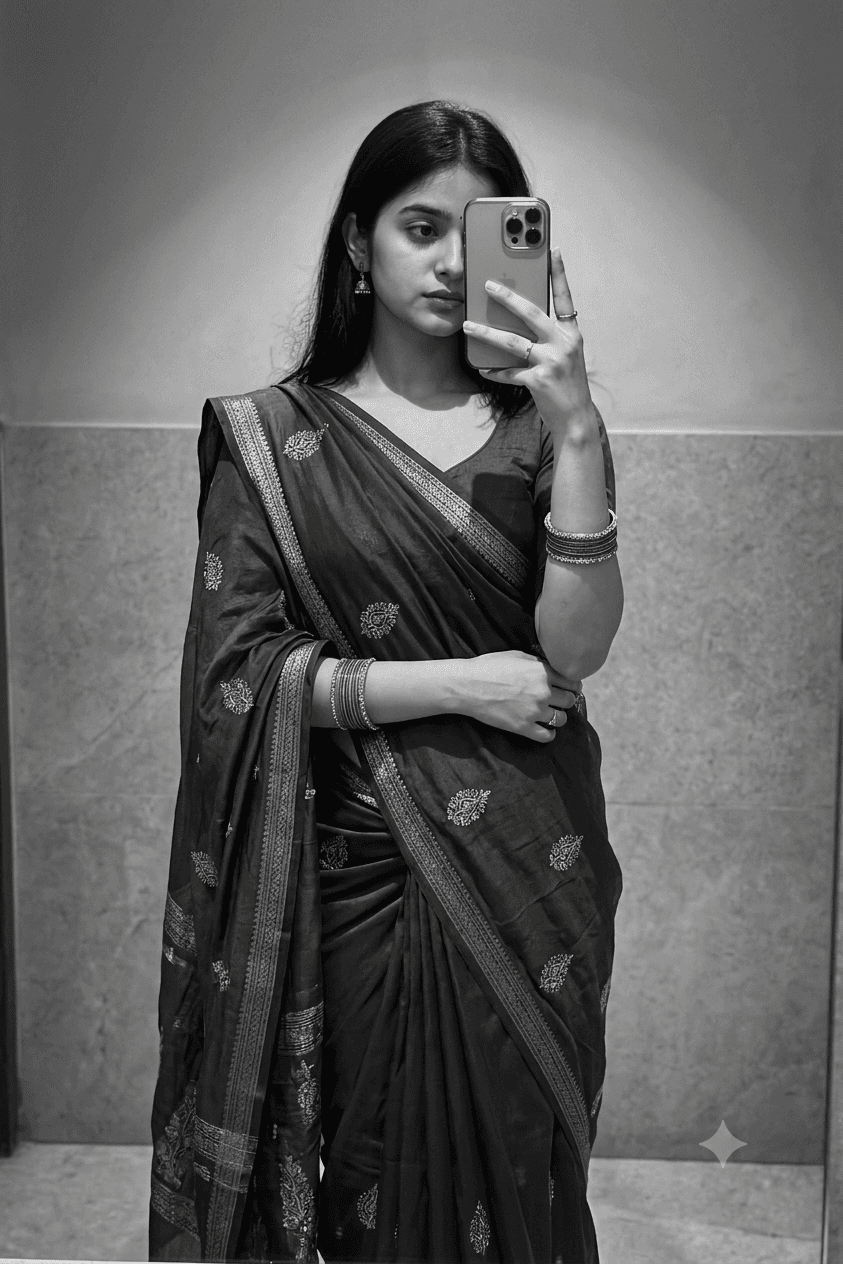
Gemini
Mirror-selfie Portrait
Photography

Gemini
Midnight GT-R: Cinematic Automotive Poster
Photography
Advertisement